9 Plant Pots for Beginners: Choose Wisely, Water Less
You bought the plant. You picked the spot. So why’s it already struggling?
Spoiler: it’s probably the pot.
The right container does half the work for you—controlling moisture, stabilizing temperature, and keeping roots happy. The wrong one? A Pinterest-worthy death trap.
We’ve rounded up nine essential pot types every beginner should know. For each: why plant parents swear by them, what to check before buying, and which plants actually thrive inside. No fluff, no judgment for past casualties—just the practical matchmaking advice your leafy friends need.
Let’s find your perfect pot.
Need tips on nutrient rich potting mix options, check out How to Prepare Garden Soil for Beginners (Step-by-Step Guide)
Links in this post are Amazon affiliate links. I may earn a small commission if you buy something, but you’ll always pay the same price Amazon shows.
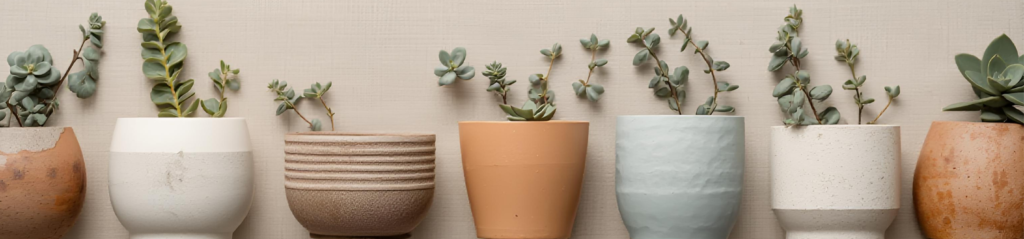
1. Ceramic Pots: The Classic Crowd-Pleaser
There’s a reason ceramic pots have been gracing windowsills since your grandmother’s time—they’re the reliable best friend of the plant world. For beginners just dipping their toes into plant parenthood, ceramic offers that sweet spot between forgiving functionality and “I totally have my life together” aesthetics.
Why Beginners Love Them
- Weight = stability – No more coming home to find your cat has staged a potting soil explosion across the living room
- Moisture buffer – The porous nature gives you a little wiggle room if you forget watering day (we’ve all been there)
- Year-round appeal – Looks just as good with a thriving monstera as it does holding your sad, recovering succulent
- Style chameleon – From sleek modern matte finishes to hand-painted boho vibes, there’s a ceramic pot for every personality
What to Look For
- Drainage holes are non-negotiable – That decorative pot without holes? It’s a root rot trap waiting to happen. Either drill your own or use it as a cachepot (fancy word for “decorative outer shell”)
- Glazed vs. unglazed – Glazed keeps moisture in longer (great for thirsty plants), unglazed breathes better (perfect for plants that hate wet feet)
- Weight check – Beautiful, yes, but remember you’ll need to lift this thing. A 10-inch ceramic pot filled with soil and a mature plant can clock in at 20+ pounds
- Quality of glaze – Cheap glazes can flake or develop that weird white crusty buildup over time
Best For These Plants
- Peace lilies – Love the consistent moisture ceramic provides
- Pothos – Forgiving and look stunning trailing over ceramic edges
- Snake plants – The weight keeps tall varieties from toppling
- Ferns – Appreciate the humidity retention around their roots
- Fiddle leaf figs – Heavy enough to support their dramatic, top-heavy growth
👉👉👉👉 A modern, chic 3-pack 4″/5.3″/6″ ceramic planter option great for indoor & the office.
2. Terracotta Pots: The Breathable Workhorse
If ceramic is the reliable best friend, terracotta is the wise old plant guru who’s seen it all. That iconic reddish-orange clay isn’t just for aesthetics—it’s been keeping plants alive for literally thousands of years. For beginners prone to overwatering (guilty!), terracotta is basically training wheels for your watering can.
Why Beginners Love Them
- Forgives your heavy hand – Overwaterers, rejoice! The porous clay wicks away excess moisture like a sponge, making root rot way harder to achieve
- Affordable experimentation – Drop a few bucks, kill a plant, learn a lesson, repeat. No guilt about “wasting” an expensive pot
- That patina life – They develop a gorgeous aged, mineral-stained look over time that screams “experienced plant parent” (even if you’re faking it)
- Natural temperature regulation – Clay breathes, keeping roots cooler in summer and preventing that dreaded “cooked root” situation
What to Look For
- Thickness matters – Cheap, thin terracotta dries out lightning-fast and cracks easier. Go for walls at least ¼-inch thick
- Pre-soak before planting – Dry terracotta steals moisture from your soil initially. Soak the pot for an hour first or your plant will be thirsty for days
- Check for cracks – Even hairline fractures expand fast once freeze-thaw cycles hit (RIP, favorite pot on the patio)
- Saucer situation – That drainage hole means water everywhere indoors. Grab matching saucers or embrace the “pot within a pot” strategy
Best For These Plants
- Succulents and cacti – Finally, a pot that dries out faster than you can kill them with kindness
- Mediterranean herbs – Rosemary, thyme, and lavender hate wet feet and love terracotta’s breathability
- Snake plants – Practically indestructible combo that thrives on neglect
- Orchids – The airflow around roots mimics their natural tree-dwelling habitat
- String of pearls – Those delicate stems rot easily; terracotta keeps things just dry enough
👉 👉👉👉Classic terracotta pots with drainage and saucers with this link. You can’t go wrong with these.
👉👉👉👉For an elevated terracotta look, check of these pots from D’vine Dev.
3. Plastic Pots: The Unsung Hero
Okay, okay—plastic pots aren’t exactly winning beauty contests. They’re the sweatpants of the plant world: not glamorous, but oh-so-practical when you need them. Every beginner needs a stash of these hiding in their plant arsenal, even if they don’t end up on your Instagram feed. Sometimes function does beat form, and your plants honestly couldn’t care less about aesthetics.
Why Beginners Love Them
- Lightweight champions – Move your fiddle leaf fig across the room for the third time this week? No problem, no herniated disc
- Budget-friendly bulk – Grab a 10-pack for the price of one fancy ceramic pot and suddenly you’re a plant propagating machine
- Moisture retention magic – Forget to water for a week? Plastic’s got your back, keeping soil damp way longer than porous materials
- Drop-proof durability – Knock it off the shelf, kick it accidentally, let your toddler use it as a drum. It bounces back (literally)
What to Look For
- Quality plastic, not disposable thin stuff – Flex the sides; if it feels like a cheap takeout container, upgrade. You want nursery-grade thickness
- Drainage holes are still essential – Just because plastic holds water doesn’t mean roots should swim in it. Drill extra holes if needed
- UV resistance matters – Cheap plastic gets brittle and fades to that sad, chalky white after one summer on the patio
- Consider the “cachepot strategy” – Keep plants happy in plastic, then slide them into prettier outer pots for display. Best of both worlds
Best For These Plants
High-turnover experiments – That clearance rack rescue with questionable survival odds deserves a plastic safety net
Moisture lovers – Calatheas, ferns, and prayer plants that throw dramatic tantrums at the first hint of dryness
Large statement plants – Your 10-foot bird of paradise doesn’t need to be heavier than your refrigerator
Propagation projects – Rooting cuttings? Plastic keeps humidity high and lets you monitor root development through semi-clear sides
Seasonal outdoor plants – Annuals and patio veggies that you don’t want to commit expensive pots to
👉👉👉👉For a plastic pot that offers the convenience of self watering, this is a great option.
4. Self-Watering Pots: The Safety Net You Didn’t Know You Needed
Let’s be real—life happens. You book a spontaneous weekend away, get slammed at work, or simply forget which day of the week it is. Self-watering pots are like having a reliable plant-sitter who never asks for favors in return. They’re the bridge between “I kill everything” and “look at my urban jungle,” and honestly? That’s pretty magical.
Why Beginners Love Them
- Vacation mode activated – Skip town for a week without recruiting your neighbor who definitely overwaters everything
- No more guessing games – The reservoir system takes the “am I drowning it or dehydrating it?” anxiety off your plate
- Consistent moisture = happy roots – Plants love steady conditions way more than your sporadic enthusiasm followed by neglect
- Beginner confidence booster – Suddenly you’re keeping finicky plants alive and feeling like a green-thumbed genius
What to Look For
- Reservoir size matters – Bigger isn’t always better. A massive reservoir with a tiny plant means constantly soggy soil and root rot city
- Wick quality check – Cheap cotton ropes mold fast. Look for synthetic wicks or capillary mats that won’t turn into science experiments
- Easy water-level windows – Peeking through dirt to guess water levels gets old fast. Clear indicators or gauges save your sanity
- Removable inner pots – You’ll want to flush out mineral buildup occasionally, so make sure the growing chamber comes out for cleaning
Best For These Plants
Anyone recovering from “I forgot to water for three weeks” guilt – We don’t judge, we just problem-solve
Peace lilies – Dramatic drama queens that wilt at the slightest drought but rebound beautifully with consistent moisture
African violets – Fussy about wet leaves and love that steady, bottom-up watering approach
Herbs in sunny kitchens – Basil and mint are thirsty little things that self-watering keeps perfectly perky
Busy office plants – That desk pothos surviving under fluorescent lights deserves automated care
5. Fabric Grow Bags: The Breathable Revolution
Forget everything you think you know about “pots.” Fabric grow bags are the disruptors of the container world—light as a feather, tougher than they look, and weirdly satisfying to use. They started in commercial agriculture and snuck into home gardening through the back door, and now? Beginners are realizing these soft-sided containers solve problems they didn’t even know they had.
Why Beginners Love Them
- Root happiness guaranteed – That “air pruning” magic prevents the dreaded root circling that chokes plants in hard pots
- Impossible to overwater – Excess moisture just… evaporates through the fabric. It’s like having built-in plant insurance
- Storage dream – Empty bags fold flat as a pancake and tuck into a drawer. Try doing that with a ceramic pot army
- Temperature control pros – Fabric stays cooler in scorching summers because heat can actually escape, unlike plastic baking your roots
What to Look For
- Heavy-duty fabric weight – Cheapies feel like reusable grocery bags and fall apart after one season. Hold out for 300+ gram weight
- Reinforced handles that won’t rip – Because nothing says “beginner mistake” like a full grow bag splitting mid-transport
- Durable stitching at stress points – Double-check those handle attachments; that’s where corners get cut
- BPA-free and food-safe materials – If you’re growing veggies (and you should!), make sure the fabric won’t leach weird chemicals
Best For These Plants
- Tomatoes and peppers – Those aggressive root systems absolutely thrive with air pruning and the extra warmth fabric provides
- Potatoes – The “hilling up” method works beautifully; just unroll more bag as plants grow and bury stems for bigger harvests
- Cannabis growers – Not judging, just saying the community figured out fabric bags years ago for a reason
- Rapidly growing annuals – Plants that outgrow their space fast appreciate the root-friendly environment
- Anyone with limited storage – Apartment dwellers, this is your “I want 20 plants but have no closet space” solution
6. Hanging & Basket Pots: The Space-Saving Showstoppers
Floor space is overrated anyway. When your windowsills are maxed out and your cat has claimed every flat surface, it’s time to look up. Hanging pots turn dead air into thriving greenery and instantly make any room feel like a bohemian plant paradise—even if the rest of your decor is strictly “hand-me-down chic.”
Why Beginners Love Them
- Instant room transformation – One macramé hanger and suddenly you’re a Pinterest-worthy plant parent (even if you bought it pre-made, we won’t tell)
- Pet-proofing made easy – Keep toxic plants away from curious dogs and cats who think your pothos looks like a salad bar
- Perfect light access – Hang them right in that sunny window without sacrificing desk or counter space
- The trailing plant flex – Nothing says “I’ve got this” like a cascading string of pearls or philodendron tumbling from above
What to Look For
- Weight limits are real – That cute hook from the dollar store? Probably rated for 5 pounds. Your watered 10-inch pot? Easily 15. Do the math or patch the ceiling later
- Liner situation – Coco coir looks gorgeous but dries out fast. Plastic liners keep moisture in but need drainage holes punched. Pick your battle
- Sturdy chains vs. trendy rope – Macramé is beautiful but can rot and weaken over time. Check regularly or go with metal for peace of mind
- Self-watering inserts – Hanging pots are annoying to water (ladders, drips, the whole production). Consider inserts that extend time between waterings
Best For These Plants
Boston ferns – That humid bathroom corner with indirect light? Fern heaven, especially suspended where fronds can arch naturally
Pothos and philodendrons – The classic “impossible to kill” trailers that look effortlessly stunning cascading down
Spider plants – Those baby spiderettes dangling in mid-air? Pure plant parent joy
String of pearls/beans/dolphins – Delicate, trendy, and absolutely made for hanging where their unique shapes get noticed
Trailing succulents – Burro’s tail and string of bananas love the airflow and drainage that hanging provides
👉 👉👉👉Don’t forgo style when selecting hanging planters, these are chic and self watering.
7. Window Box Planters: The Curb Appeal Multiplier
There’s something undeniably charming about a window bursting with life. Window boxes are the plant world’s equivalent of a smile—immediately welcoming, effortlessly cozy, and somehow making every building look more loved. For beginners craving that “cottage core” aesthetic without the actual cottage, this is your shortcut to plant parent credibility.
Why Beginners Love Them
- Maximum impact, minimal footprint – Transform a blank exterior wall or boring balcony rail without surrendering an inch of floor space
- The “look at me” factor – Neighbors, delivery drivers, random pedestrians—everyone notices a thriving window box. Instant gardening street cred
- Microclimate magic – That sheltered spot under the eaves often stays warmer, protected from harsh winds, and gets perfect light
- Herb garden convenience – Snip fresh basil for dinner without leaving the kitchen. Farm-to-table vibes with apartment-to-table effort
What to Look For
- Drainage, drainage, drainage – Rain plus no escape route equals soup. Ensure multiple holes and consider adding an inch of gravel at the bottom
- Material vs. exposure – South-facing sun bakes plastic and fades wood fast. Cedar or redwood resists rot; composite materials handle temperature swings better
- Bracket security – Those cute wrought-iron holders need to actually support a fully watered box. Test weight limits or wake up to a crash
- Self-watering reservoirs – Window boxes dry out wicked fast in summer heat. Built-in reservoirs buy you forgiveness on scorching days
- Depth check – Shallow boxes (under 6 inches) limit you to annuals and herbs. Want cascading petunias or small shrubs? Go deeper
Best For These Plants
Strawberries – Imagine plucking breakfast from your windowsill. Alpine varieties especially love the contained, sunny environment
Trailing annuals – Wave petunias, million bells, and bacopa creating that iconic waterfall of color over the edges
Kitchen herbs – Compact basil, thyme, chives, and parsley thriving in easy-reach proximity to your cooking
Succulent collections – For hot, dry exposures, a mix of sedums and echeverias create sculptural, low-maintenance drama
Geraniums – Old-school for a reason. Sun-loving, bloom-happy, and forgiving of beginner inconsistencies
👉 👉👉👉These window box planters are fade-resistant, self watering and include mounts.
8. Small Raised Bed Planters: The Goldilocks Zone
Not quite a pot, not quite a garden bed—small raised planters are the perfect “just right” for beginners itching to grow more than a windowsill allows. They’re the gateway drug to serious gardening, offering enough space to experiment without the backbreaking commitment of digging up your actual yard. Think of them as training wheels for your future homesteading dreams.
Why Beginners Love Them
- No shovel required – Your back thanks you for skipping the “turn the soil” phase. Just assemble, fill, and plant
- Soil control freak paradise – You’re not stuck with whatever sad dirt your yard came with. Build the perfect loamy mix from day one
- Pest deterrent height – Rabbits, snails, and neighborhood cats are suddenly less interested when they have to work for it
- Extended growing season – Soil warms up faster in spring and drains better after rain, giving you a head start on the growing season
- The “I grew that” pride – Harvesting your first homegrown tomato or bouquet of zinnias from something you built? Unbeatable beginner rush
What to Look For
- Height matters for ergonomics – 12-18 inches saves your knees; 24+ inches means gardening from a chair (hello, accessibility)
- Bottomless vs. contained – Open bottoms let roots tap into native soil and improve drainage; solid bases work for patios but need extra drainage attention
- Rot-resistant materials – Cedar and redwood last years; pressure-treated lumber is cheaper but controversial for edibles; composite or metal skip the rot issue entirely
- Easy assembly – If it requires a engineering degree and specialty tools, keep shopping. Beginner-friendly kits exist for a reason
- Liner options – Landscape fabric prevents soil loss through cracks; hardware cloth underneath stops burrowing pests from below
Best For These Plants
- Compact vegetable gardens – Think salad greens, bush beans, compact tomatoes, and pepper plants in that sweet 2×4 foot footprint
- Cut flower patches – Zinnias, cosmos, and snapdragons packed tight for endless summer bouquets
- Herb spirals or themed beds – Pizza garden (tomato, basil, oregano), tea garden (chamomile, mint, lemon balm)—get creative with your layout
- Root vegetables – Carrots, radishes, and beets love the loose, rock-free soil you provide versus fighting native clay
- Beginner’s “victory garden” – That WWII-era dream of self-sufficiency, scaled down to apartment patio reality
9. Decorative Indoor Planters with Saucers: The Grown-Up Upgrade
You’ve graduated from nursery pots hiding in corners. Now you’re ready for the main event—planters that actually look like intentional decor. These are the pieces that tie your plant collection together, protect your surfaces, and convince visitors you definitely have your life together (even if that fern is secretly struggling). The built-in saucer is the unsung hero here, catching drips so your landlord never discovers your watering sins.
Why Beginners Love Them
- One-and-done convenience – No hunting for matching saucers or MacGyvering solutions with plastic lids. It’s all integrated
- Furniture protection – That vintage mid-century credenza? Safe from water rings and soil stains. Your security deposit thanks you
- Instant “adult” aesthetic – Even a basic pothos looks curated in the right vessel. It’s the plant equivalent of wearing a blazer over a t-shirt
- Gift-ready presentation – Hand someone a plant in a proper decorative pot and suddenly you’re “so thoughtful” instead of “here’s my extra cutting”
What to Look For
- Saucer attachment style – Fixed saucers mean less spill risk but trickier drainage; removable ones offer flexibility but can separate during moves
- Drainage reality check – Some decorative pots sacrifice function for form. Ensure water can actually escape or plan to use them as cachepots only
- Material weight vs. placement – That cement beauty belongs on the floor, not your floating shelf. Plan accordingly before you fall in love
- Finish durability – High-gloss looks stunning until the first scratch. Matte and textured finishes hide beginner bumps and bruises better
- Size up strategically – Most plants need 1-2 inches of growing room around the root ball. A too-snug fit cramps root growth and makes repotting a nightmare
Best For These Plants
The “final form” upgrade – Once you’ve kept something alive for six months, celebrate by moving it from plastic nursery pot to permanent decorative home
Statement houseplants – Your healthiest fiddle leaf fig, bird of paradise, or monstera deserves a vessel worthy of its Instagram potential
Office and desk plants – Professional spaces demand polished presentation; built-in saucers prevent awkward “oops, I watered at my desk” moments
Gift plants – Pilea peperomioides or a blooming orchid in a sleek ceramic pot? Instant housewarming hero status
High-traffic areas – Entryways, living room coffee tables, anywhere guests actually see your plants and judge your lifestyle choices
Why Drainage Holes Are Non-Negotiable (And How to Fake It If You Must)
Let’s cut through the Pinterest-perfect nonsense for a second. Those gorgeous photos of succulents in vintage teacups and ferns in ceramic mugs? They’re plant murder waiting to happen. Here’s the hard truth your future plant babies need you to understand: drainage holes aren’t optional, they’re survival equipment. Some people suggest a layer of rocks or gravel in the absence of drainage holes, but the experts at Iowa State University recommend against this option.
The Science Your Roots Are Begging For
Plant roots don’t just slurp water—they breathe. In soggy, stagnant soil, oxygen can’t reach root cells, and those cells literally drown. Worse, anaerobic bacteria throw a party in waterlogged conditions, causing root rot that turns healthy white roots into mushy brown spaghetti. No drainage hole = standing water = slow plant death sentence. It’s not dramatic, it’s biology.
The “But It’s So Pretty” Workarounds
We get it. That vintage cachepot, ceramic bowl, or trendy concrete vessel without holes is calling your name. Here’s how to have your aesthetic and keep plants alive too:
- The nursery pot nesting method – Keep your plant in its plastic nursery pot (with holes!), drop it into the decorative vessel, and remove for watering. Easy, effective, zero root rot risk
- Drill your own – Ceramic, plastic, even some metals can take a hole with the right drill bit. Wear safety glasses and go slow—cracked pots mourned everywhere
- Create a false bottom – Layer gravel, activated charcoal, or packing peanuts in the base, then add soil. It buys time but doesn’t fix the problem forever; water still accumulates
- Supervised watering only – If you must plant directly, water sparingly, tip excess out immediately, and accept that your plant’s lifespan just got a lottery ticket’s odds
Red Flags You’re Ignoring Drainage Disasters
- That funky smell – Sour, swampy odor from your pot means anaerobic bacteria are thriving. Not a “plant smell,” a distress signal
- Fungus gnats appearing – Those annoying little flies? They love wet soil. Their presence screams “too damp for too long”
- Yellowing leaves despite “proper” watering – Classic root rot disguise. You’re watering correctly, but water isn’t leaving correctly
- White crust on soil surface – Mineral buildup from evaporating stagnant water, not a decorative feature
The Exception That Proves the Rule
Yes, some plants tolerate “no hole” life better—succulents in extremely gritty mixes, water-loving pothos in very bright light, semi-hydroponic setups with leca. But these are advanced techniques, not beginner shortcuts. Master drainage first, then experiment.
Bottom line: That hole in the bottom isn’t a design flaw. It’s a lifeline. Choose pots that respect it, or get creative with workarounds. Your plants can’t read Pinterest, but they definitely know when they’re drowning.
For a complete list of gardening tools to live your best Martha Stuart life, head over to Best Gardening Tools for Beginners (Simple Must-Haves) ❤️🌻❤️.
How to Choose the Right Plant Pot for Your Space
When selecting the best plant pots for beginners, consider:
Indoor vs Outdoor: Outdoor containers must handle sun and rain.
Weight: Ceramic is heavier; plastic is portable.
Sun Exposure: Dark pots absorb more heat.
Plant Size: Roots need room to grow.
Budget: Start with 2–3 quality containers instead of buying too many at once.
Final Thoughts: Your Perfect Pot Is Out There
Here’s the thing nobody tells you when you buy your first plant: the pot matters just as much as the plant. It sounds like garden center upselling, but it’s the truth. A fiddle leaf fig in the wrong container is a ticking time bomb of brown spots and dropped leaves. A succulent in a sealed ceramic mug is a slow-motion tragedy. Match the plant to the pot, though? That’s where the magic happens.
You don’t need all nine types crowding your closet (though we won’t judge if you collect them). Start with what fits your life right now. Chronically overwater? Terracotta’s got your back. Forgetful traveler? Self-watering is your safety net. Apartment-bound with zero storage? Fabric bags fold flat when the season ends. The “best” pot is the one that keeps your plant alive while fitting your actual habits—not your fantasy ones.
And hey, you’re going to kill something in a beautiful pot eventually. We all do. The ceramic cachepot survives, you learn a lesson, and you try again with better drainage. That’s not failure—that’s the tuition for your plant education.
So browse those affiliate links, treat yourself to something that makes you excited to water on Sunday mornings, and remember: every thriving plant parent started exactly where you are right now, staring at a wall of pots, slightly overwhelmed, secretly hopeful. You’ve got this.
Now go forth and pot something.
🌿
Pingback: Starting a Small Garden for Beginners: The Ultimate Guide
Pingback: How to Prepare Garden Soil for Beginners: Step-by-Step Guide