Best Gardening Tools for Beginners (Simple Must-Haves)
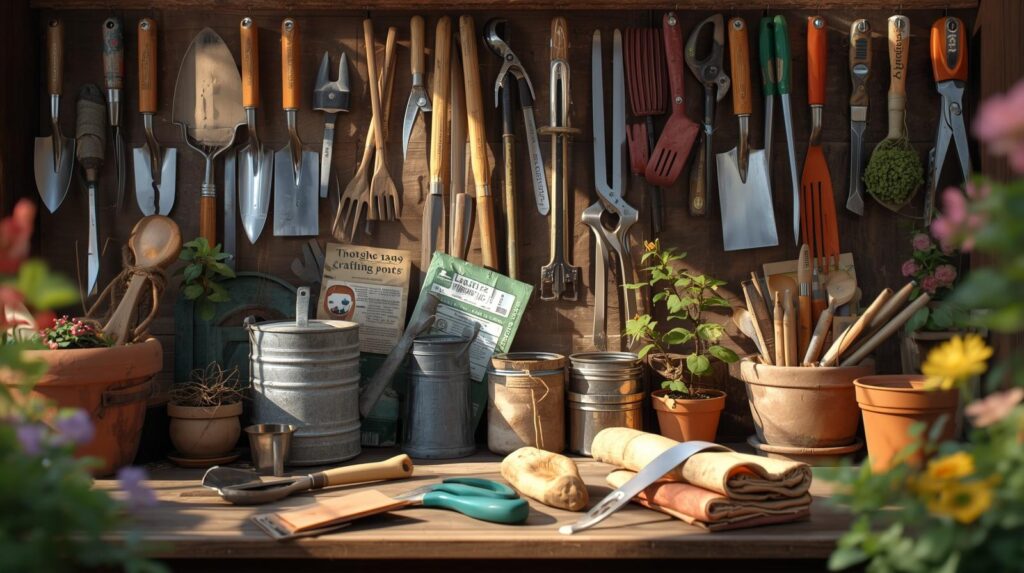
Gardening tools for beginners don’t need to be complicated or expensive.
Starting your first garden is exciting — but walking into a hardware store can feel overwhelming.
There are dozens of tools. Fancy kits. Expensive sets. Gadgets you’ve never heard of.
The truth? You only need a few basic gardening tools to get started successfully.
In this guide, we’ll break down the best gardening tools for beginners — simple, practical, and actually useful.
Before diving in, here’s a quick overview of beginner must-haves:
- Hand Trowel
- Pruning Shears
- Gardening Gloves
- Watering Can or Hose
- Hand Rake
- Garden Kneeler (optional but helpful)
- Quality Potting Soil
- Plant Supports
- Seed Starter Tray
- Garden Tool Set (Starter Option)
These are the only gardening tools for beginners you truly need to start confidently.
This post may contain affiliate links. As an Amazon Associate, we earn from qualifying purchases at no extra cost to you.
1. Hand Trowel
Why: The extension of your hand for everything a shovel is too clumsy to touch. Transplanting seedlings, digging planting holes, scooping compost, prying out weeds with taproots—doing this with a stick or your fingers is archaeology, not gardening.
What to look for:
- Blade shape:Narrow and pointed for rocky soil and tight spaces; wide and scooped for moving mulch and potting mix fast.
- Metal matters: Stainless steel slides through clay and won’t rust; carbon steel is sharper but demands wiping dry.
- Handle grip: Ergonomic padding saves your wrist during repetitive potting. Smooth wood looks vintage; it blisters.
- Full tang: One continuous piece of metal from blade through handle. Welded necks snap when you pry.
- Measurement marks: Etched depth indicators turn guesswork into proper bulb planting.
Beginner Tip:
A sturdy trowel will last years — don’t buy the cheapest plastic option.
👉 Check out this heavy-duty stainless steel garden trowel
This is one of those gardening tools for beginners where quality truly matters. A sturdy trowel will last years — and you’ll use it every single week.
2. Pruning Shears
Why: Tearing stems with dull blades invites disease, exhausts your hands, and mutilates plants. Clean cuts heal faster, look professional, and spare you the shame of explaining why your rose bush died.
What to look for:
- Blade type: Bypass (scissor-like) for live wood—clean, precise; anvil (crushing action) for dead branches only.
- Size match: Small hands need small shears. Oversized tools cause fatigue and sloppy cuts.
- Steel quality: High-carbon holds an edge; stainless resists sap gumming.
- Lock mechanism: One-handed thumb lock—fumbling with two hands while holding a branch is circus work.
Trust the experts at Texas A&M University, quality equipment is as important as using the proper techniques. Cared for properly, quality sheers will last longer and be a healthier option for the plant.
👉These pruning sheers are made of rust-resistant steel and come with a full lifetime warranty
3. Gardening Gloves
Why: Bare hands work until they don’t. Thorns, blisters, soil-borne bacteria, and unexpected splinters turn a relaxing session into a tetanus shot. Gloves extend your season—cold morning soil stops being a deterrent—and save your manicure if that matters to you.
What to look for:
- Fit: Snug at the wrist, dexterous enough to pinch a seed. Too loose and you blister; too tight and your hands cramp.
- Material match:
- Nitrile-coated for wet soil and grip
- Leather for roses, brambles, heavy digging
- Breathable synthetic for summer deadheading
- Washability: Mud and manure happen. Machine-washable pairs last longer than “wipe clean” pretenders.
👉These breathable bamboo gloves are nitrile-coated and touchscreen friendly (you’ll thank me later)
4. Watering Can or Garden Hose
Garden Hose
- In-ground: Fast, deep soaking for established root zones. Best for large beds.
- Containers: Risk of overwatering—water drains fast, but hose pressure compacts soil and washes out nutrients. Use gentle spray or risk root rot.
Watering Can
- In-ground: Too slow for large areas; use only for spot-treating new seedlings.
- Containers: Ideal. Precise control, no soil disturbance, easy to check drainage holes.
👉If having a cute, chic little watering can for your indoor plants is your thing
5. Hand Rake
Why: Fingers can’t comb through soil, and a full rake bulldozes seedlings. This clears debris around delicate stems, breaks crusted topsoil without root damage, and teases out weeds hiding in ground cover where precision matters.
What to look for:
- Tine count: Few, sturdy tines for gravel and debris; many, flexible tines for smoothing seedbeds and working around fragile plants.
- Tine shape: Straight for general cultivation; curved for scooping and gathering like a miniature leaf rake.
- Width: Narrow head for container work and tight perennial clumps; wide for open beds.
- Handle angle: Slight bend reduces wrist strain. Straight shafts force awkward twisting.
- Socket strength: Tines should emerge from a solid metal base, not wiggle independently after one season of leverage.
👉This 3-piece set has a hand trowel, hand rake, and transplant trowel for under $25
6. Garden Kneeler (Optional Comfort Upgrade)
Why: Knees aren’t meant for gravel, mud, or concrete edging. Save the cartilage, skip the stand-up groan.
What to look for:
- Flip function: Kneeler one side, seat the other—plant facing down, prune sitting up.
- Cushion density: Memory foam, not patio furniture foam. Two inches minimum.
- Frame strength: Steel tubing rated for your weight plus a wheelbarrow bump.
- Handles: Solid grip for pushing off—crucial when your legs fall asleep.
- Tool pouch: Attached, not dangling. Secateurs within reach, not in the lettuce.
👉 Here is a budget-friendly kneeler/seater option from our friends over at Amazon
7. Potting Soil
Why: Dirt from your yard suffocates roots in pots—too dense, wrong drainage, mystery pests. Containers demand a engineered environment: roots can’t escape, so the mix must do everything.
What to look for:
- “High quality organic potting mix” on the bag: Not “garden soil,” not “topsoil,” not “planting mix.” Words matter. Potting mix only.
- Organic matter base: Peat moss or coconut coir for water retention, composted bark for structure.
- Drainage agents: Perlite or pumice visible in the mix—white specks that prevent root rot.
- Nutrient charge: Slow-release organic fertilizer included, not raw manure that burns seedlings.
- No garden soil filler: Heavy, compacting, and introduces soil-borne disease to isolated container ecosystems.
👉 View the recommended organic potting mix with 4.6 stars and over 20k reviews here
8. Plant Supports (Tomatoes, Beans)
Why beginners underestimate: Beginners see upright seedlings and assume plants stay put. They don’t. Tomatoes bend, peonies flop, cucumbers sprawl, and a rainstorm turns a proud delphinium into a lawn ornament. By the time you notice, you’re wrestling woody stems through tight cages or staking floppy growth that resents the intrusion. Install early—plants grow into supports, not around them.
What to look for:
- Material:Galvanized steel for longevity; bamboo for natural look (replace yearly); plastic-coated for rust resistance on a budget.
- Height match: Taller than mature plant height—tomato cages fail when they’re shorter than the tomato.
- Opening size: Wide enough for your hand with a harvest basket, not just the plant.
- Ground grip: Stakes with corkscrew bases or broad feet resist wind better than straight rods.
- *Adjustability:Expandable rings or telescoping poles for perennials that grow in unpredictable flushes.
Check out our guide to easy vegetables to grow for beginners, here.
👉Prop up everything from tomatoes to hydrangea with these supports
9. Seed Starter Trays
Why beginners underestimate: Seeds seem simple—dirt, water, wait. Then damping-off fungus strikes, roots hit plastic cups and spiral, or leggy seedlings stretch toward a distant window and collapse. Controlled starts demand controlled conditions. Trays deliver consistency that windowsills and repurposed yogurt containers can’t.
What to look for:
- Cell size: Small (50-128 cells) for herbs and slow starters; large (24-50 cells) for tomatoes, peppers, anything fast-growing.
- Drainage: Holes in every cell, not just the tray bottom. Wet feet kill seedlings before they emerge.
- Humidity dome: Clear lid traps moisture for germination, lifts off for airflow once sprouted.
- Bottom watering: Tray design that lets you pour into a reservoir, not over tender stems. Reduces mold, prevents dislodging seeds.
- Reusable rigidity: Thick plastic or silicone that survives multiple seasons; flimsy disposable trays crack when you pry out root-bound plants.
10. Complete Beginner Tool Set
Why buy all-in-one: Decision fatigue is real when you don’t know what you don’t know. Sets eliminate the paralysis of comparing 47 trowels online, guessing whether you need a hand rake and a cultivator, or discovering mid-project that pruning shears aren’t optional. You start immediately with matched basics, learn what your hand actually reaches for, and upgrade individual pieces with informed preference later. Cheaper than buying wrong twice.
👉 This kit has everything you need to get started and a durable organizing handbag
If you’re just getting started, read our full Beginner’s Guide to Starting a Small Garden.
How to Choose Quality Gardening Tools for Beginners
Not all tools are created equal. Cheap plastic handles snap. Thin metal bends. Weak joints loosen after one season.
When investing in gardening tools for beginners:
• Choose stainless steel or carbon steel
• Look for solid construction (no wobble at joints)
• Avoid ultra-cheap multi-piece kits
• Read reviews before purchasing
A small investment upfront saves money long term.